Floral Frames: Capturing Summer in Local Flower Fields and Gardens
Discover the beauty of summer through the lens of a camera in my latest blog post, "Floral Frames: Capturing Summer in Local Flower Fields and Gardens." Explore the vibrant hues and picturesque landscapes of local flower fields and gardens, perfect for your next photography adventure. Learn about the best spots to visit, tips for capturing the perfect shot, and how to make the most of the natural light. Whether you're a seasoned photographer or just starting, this guide will inspire you to create stunning summer photos that highlight the beauty of our local flora. Dive into the world of floral photography and let your creativity blossom!
There's something magical about summer gardens. The way flowers burst into color, creating a canvas of nature's finest artwork, makes it an irresistible subject for photographers. Whether you're a professional looking to capture the perfect shot or a hobbyist wanting to improve your skills, knowing the best spots for summer garden and flower photography can make all the difference. So, grab your camera, and let's explore some breathtaking locations that will help you capture the essence of summer.
The Magic of Summer Gardens
Why Summer is Ideal for Garden Photography
Summer is a time of abundance. Gardens are in full bloom, offering a riot of colors, textures, and forms. The long daylight hours provide ample natural light, which is perfect for photography. Early mornings and late afternoons, in particular, offer the soft, golden light that adds a magical touch to your photos.
Essential Photography Gear for Garden Shoots
Camera and Lenses
A DSLR or mirrorless camera with a macro lens is ideal for capturing the intricate details of flowers. A wide-angle lens is also great for capturing the broader landscape of a garden.
Tripod and Accessories
A sturdy tripod helps in achieving sharp images, especially in low light. Additionally, a reflector can help manage light and shadows, enhancing the quality of your photos.
Top Summer Garden Photography Locations
Public Botanical Gardens
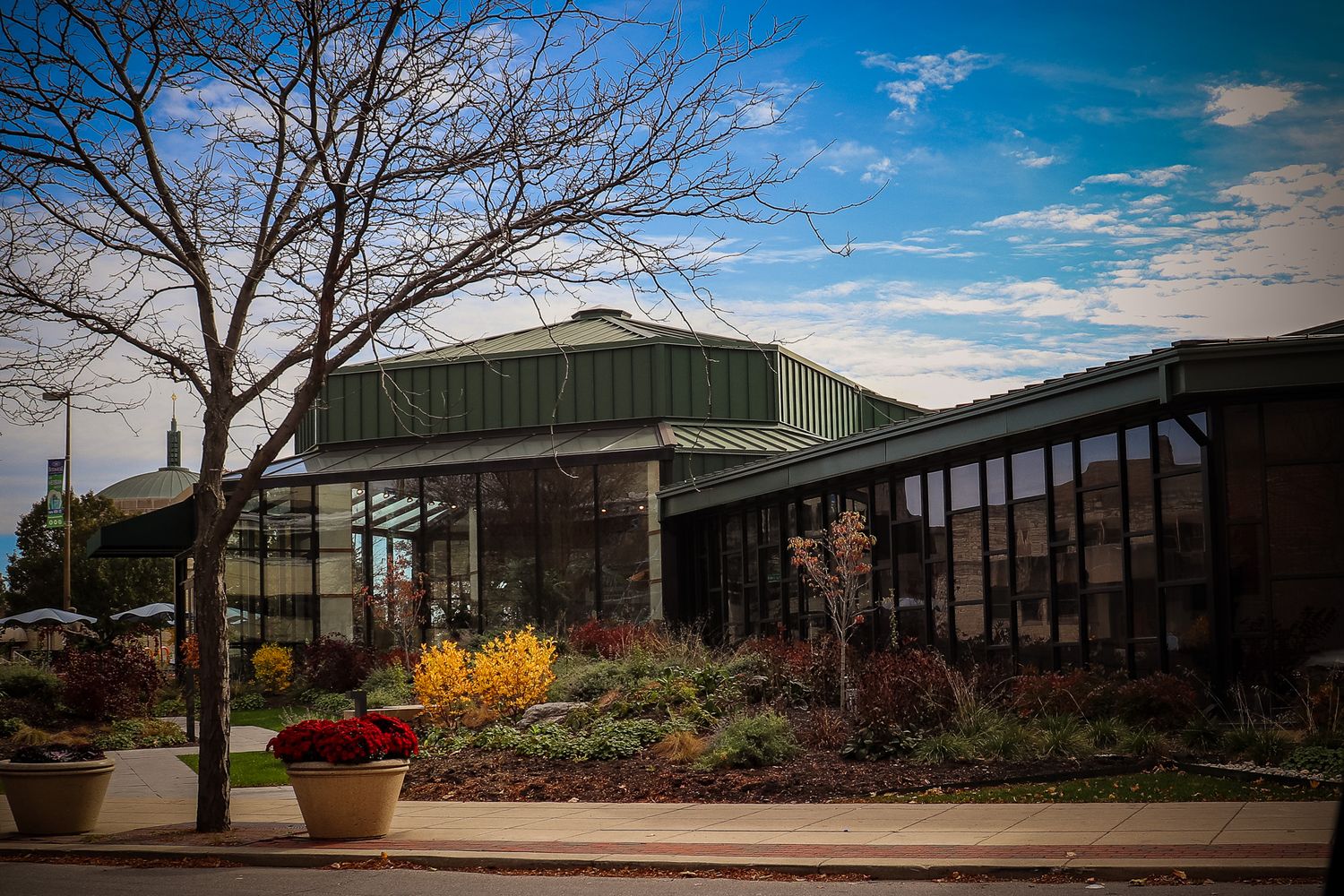
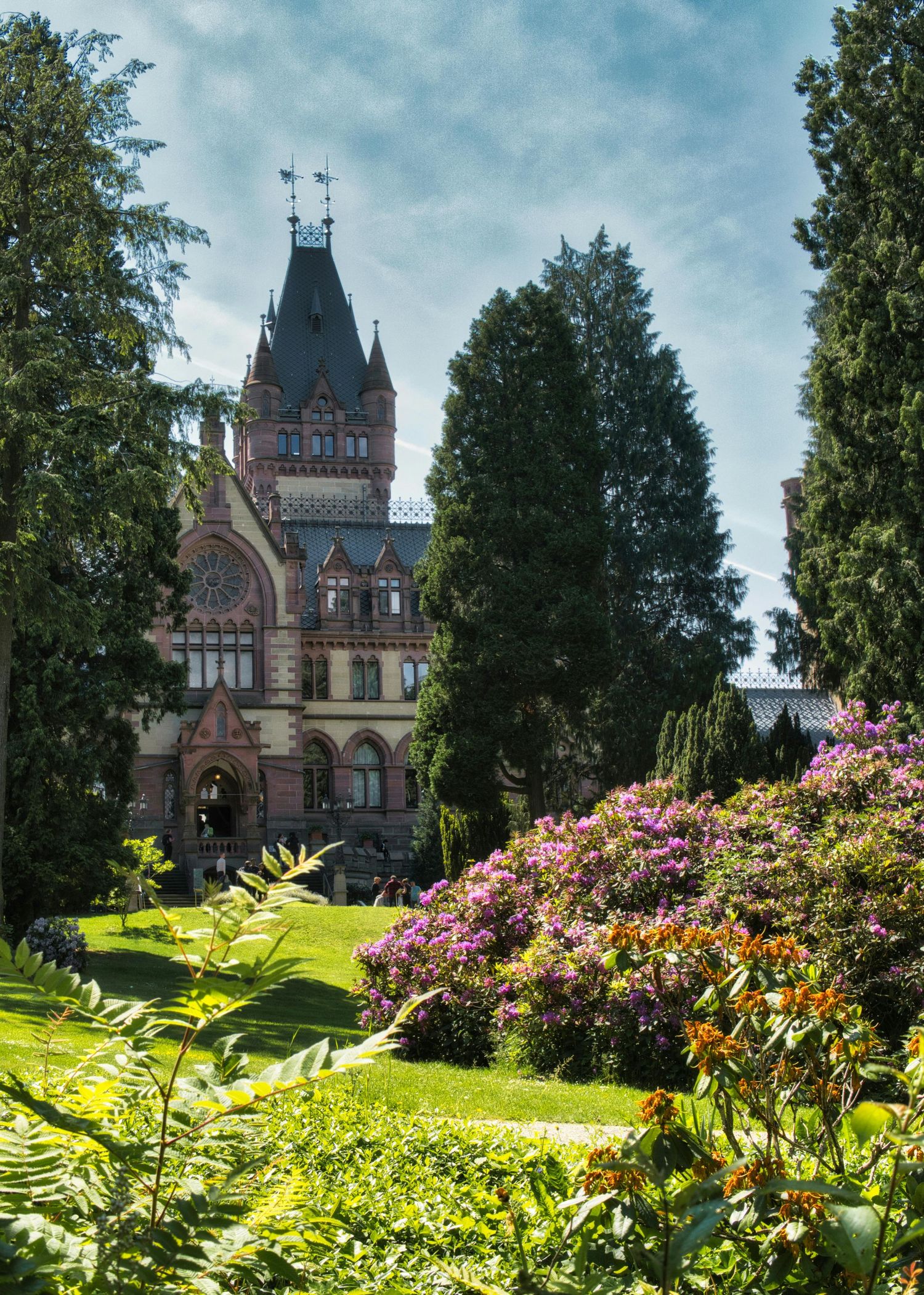
Public botanical gardens are designed to showcase a wide variety of plants and flowers. They often have themed sections, making it easy to find a perfect spot.
Tips for Shooting in Botanical Gardens
Time Your Visit: Early mornings or late afternoons are less crowded and offer better lighting.
Seek Permission: Some gardens may require permission for professional shoots.
Local Community Gardens
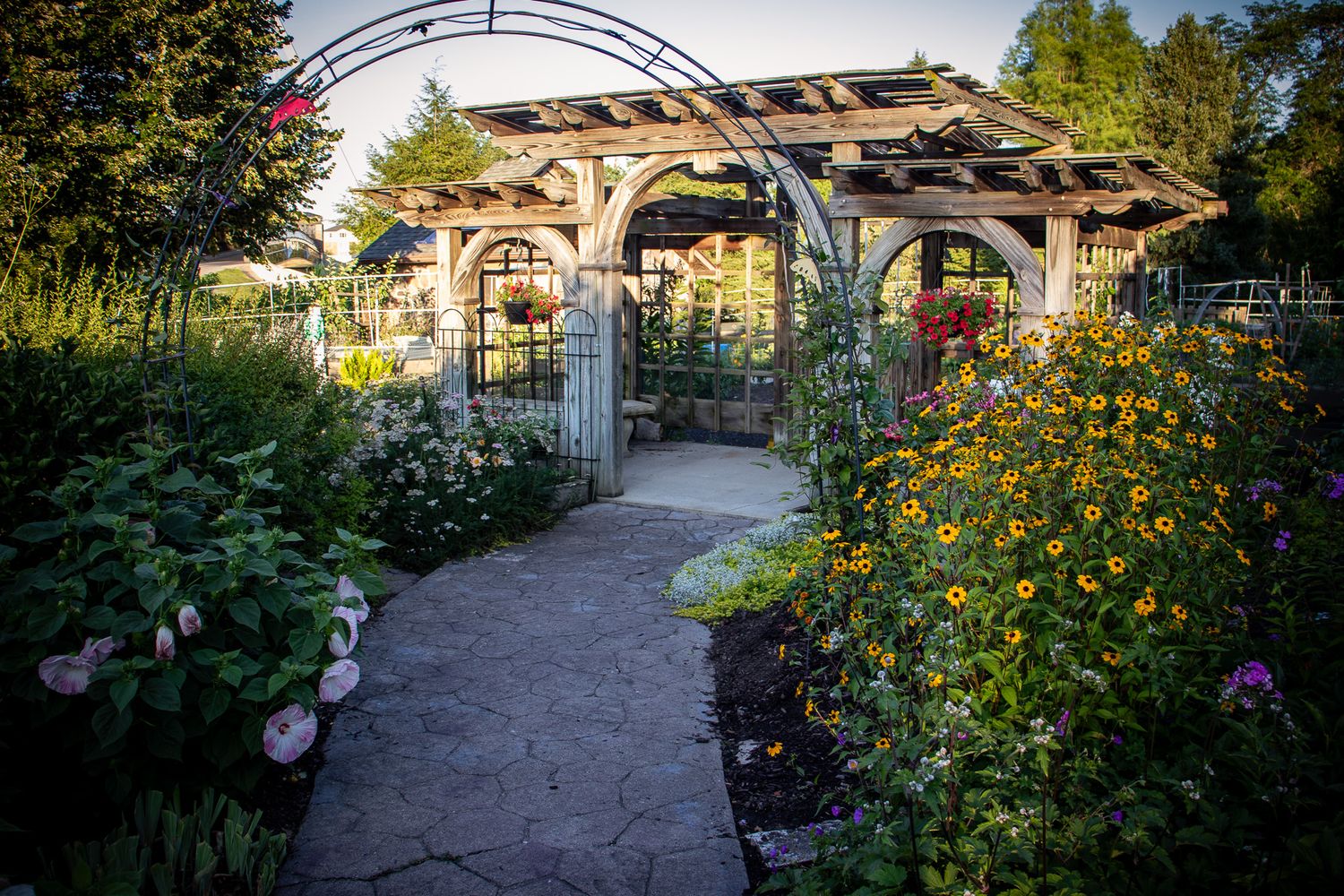
Community gardens, often found in urban areas, provide a lush oasis amid the concrete jungle. They offer a diverse range of plants and flowers that are well-tended by passionate gardeners.
Benefits of Community Gardens
Accessibility: Often free and easy to visit.
Diversity: A mix of ornamental flowers and edible plants provides unique photography opportunities.
Hidden Gems: Local Flower Fields
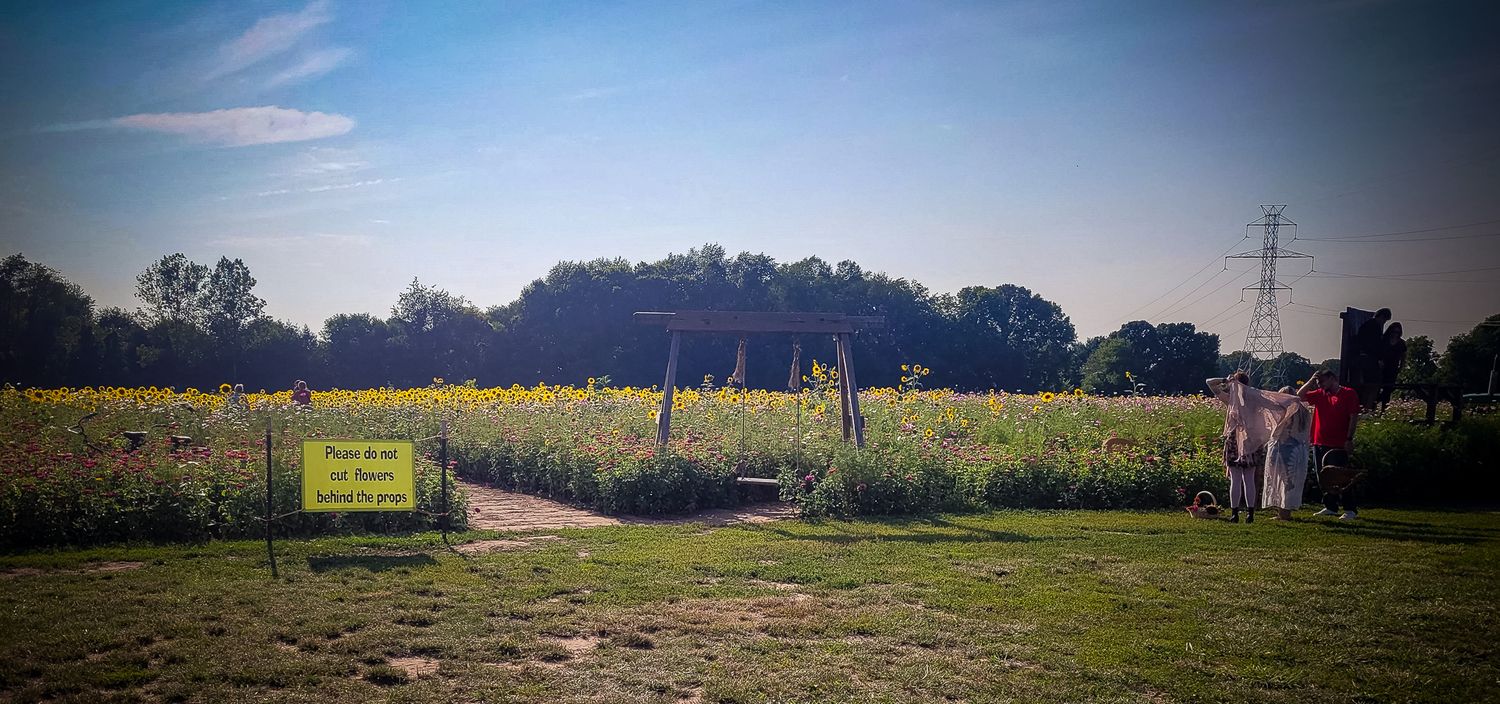
Local flower fields, though smaller, can be just as stunning as their famous counterparts. They often provide more intimate and unique photography opportunities.
Finding Local Flower Fields
Search Online: Use social media and local tourism websites to discover hidden gems.
Ask Locals: Farmers' markets and garden centers can be great places to get tips on nearby flower fields.
Photography Tips for Flower Fields
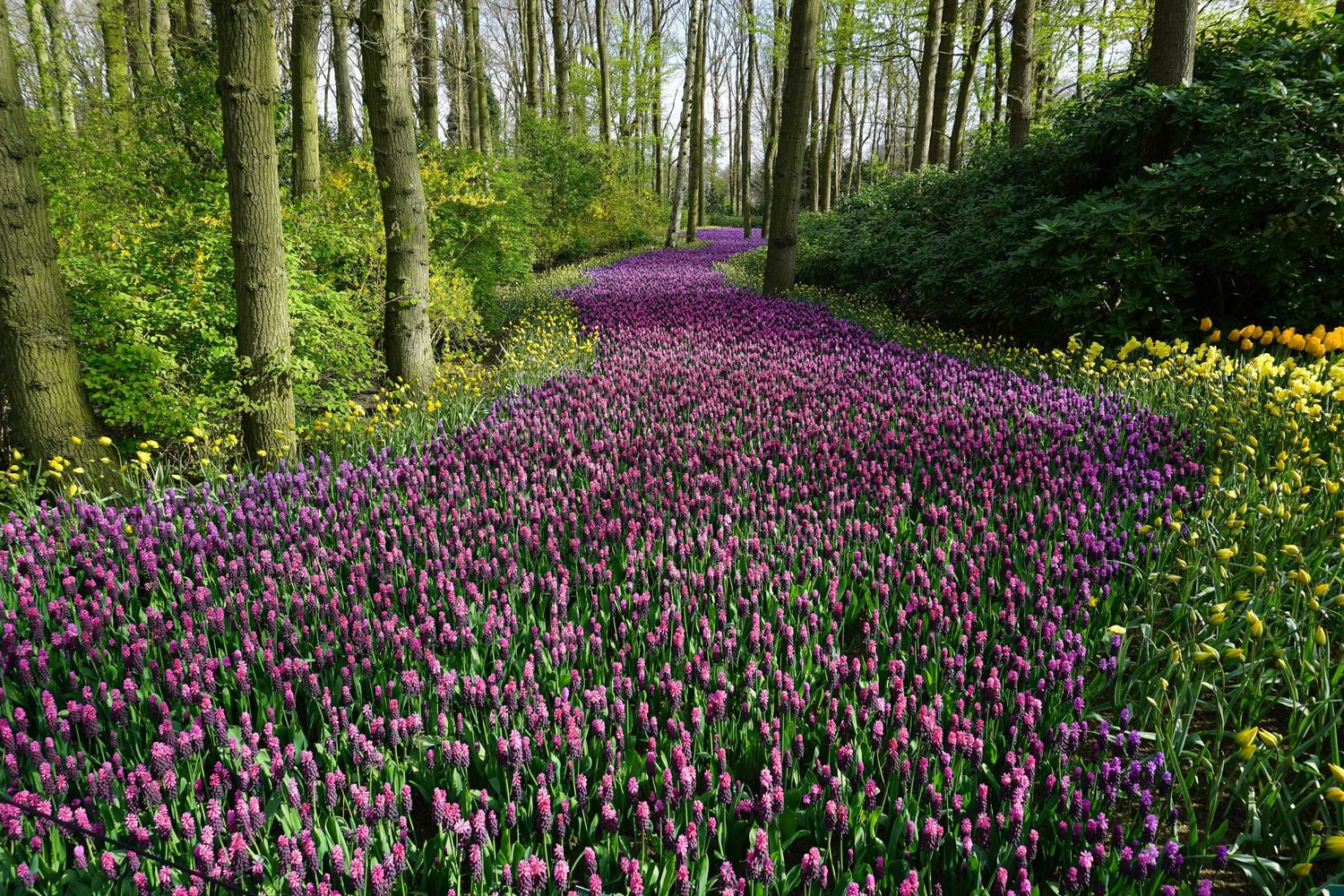
Use Leading Lines: Rows of flowers create natural leading lines, drawing the viewer's eye into the photo.
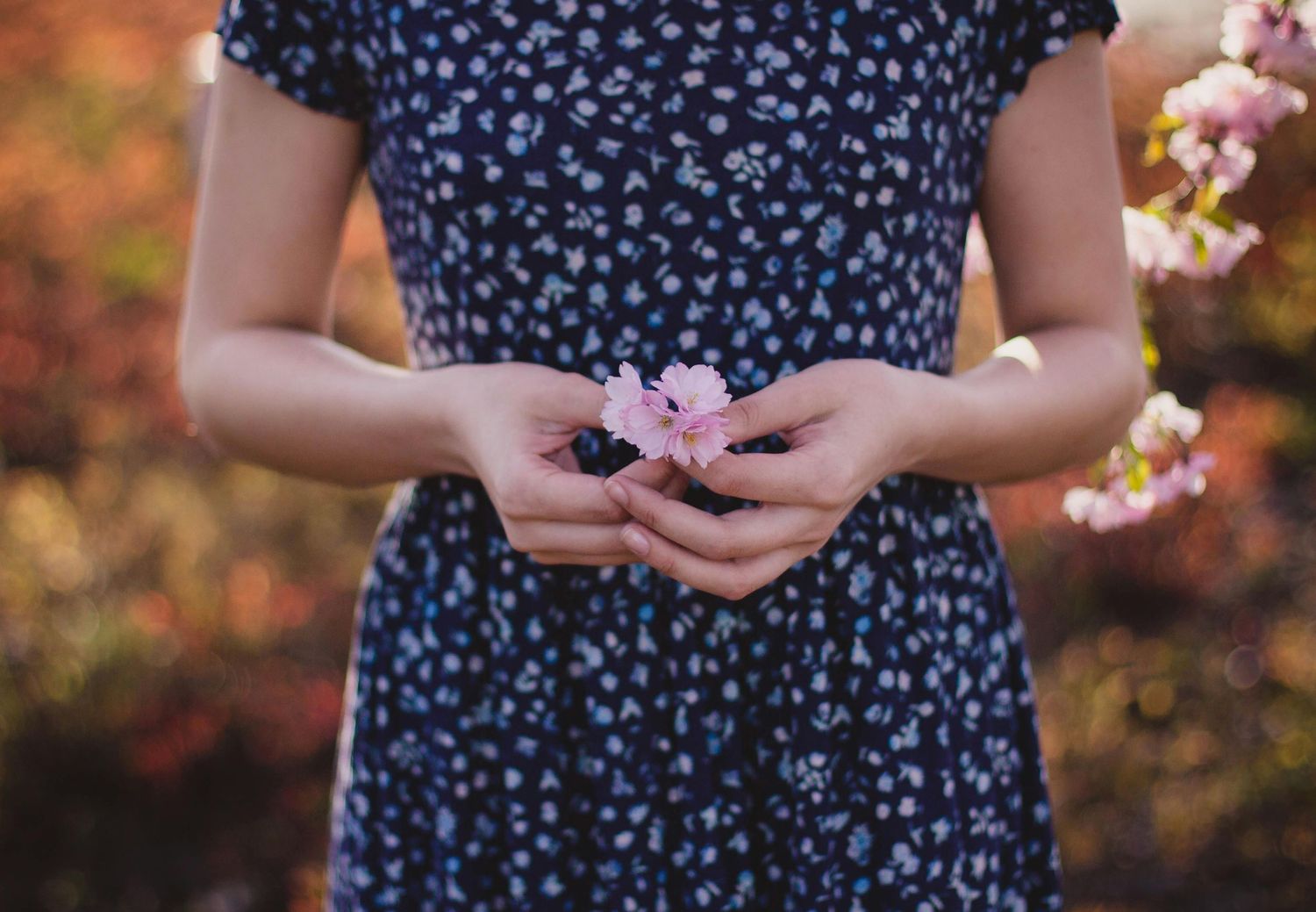
Play with Depth of Field: A shallow depth of field can make a single flower stand out against a blurred background.
Practical Tips for Garden and Flower Photography
UNDERSTANDING LIGHT
Light is the most crucial element in photography. Knowing how to work with different types of light can make or break your shots.
GOLDEN HOUR MAGIC
The golden hour, shortly after sunrise and before sunset, provides soft, warm light that enhances colors and textures.
DEALING WITH HARSH SUNLIGHT
Use a Diffuser: Soften the light on bright, sunny days.
Find Shade: Use natural shade to avoid harsh shadows and highlights.
COMPOSITION TECHNIQUES
Composition is about how you arrange the elements in your frame. Good composition can turn an ordinary photo into an extraordinary one.
Rule of Thirds
Place the main subject off-center to create a more balanced and interesting photo.
Leading Lines
Use paths, rows of plants, or garden structures to lead the viewer's eye through the photo.
FOCUSING ON DETAILS
Sometimes, the smallest details can make the biggest impact.
Macro Photography
Get up close and personal with your subjects. Capture the delicate veins of a leaf, the intricate patterns on a petal, or the bustling activity of pollinators.
Background Matters
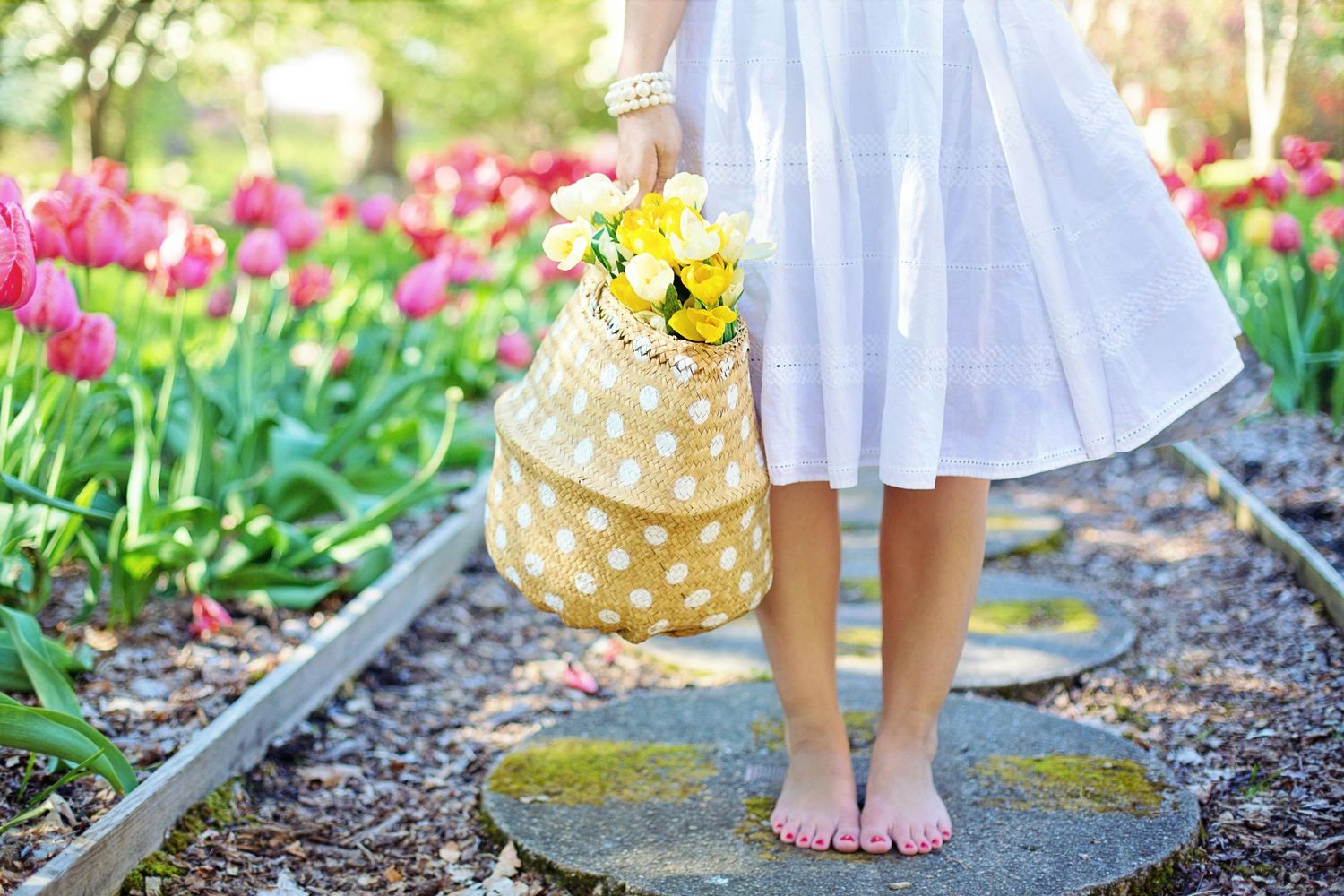
Pay attention to the background. A cluttered background can distract from your main subject. Use a shallow depth of field to blur the background and make your subject stand out.
Editing Your Garden Photos
Basic Editing Techniques
Editing can enhance your photos, bringing out the best in them.
Adjusting Exposure
Ensure your photos are neither too dark nor too light.
Enhancing Colors
Boost the vibrancy of the flowers without making them look unnatural.
Advanced Editing Tips
For those who want to take their editing skills to the next level.
Focus Stacking
Combine multiple shots taken at different focus points to achieve greater depth of field.
Removing Distractions
Use tools like the clone stamp or healing brush to remove unwanted elements from your photos.
Summer gardens and flower fields offer endless opportunities for beautiful photography. Whether you’re exploring public botanical gardens, local community gardens, or private estates, each location has its unique charm. Remember, the key to stunning garden and flower photography lies in understanding light, mastering composition, and focusing on details. So, go ahead, find your perfect spot, and let your creativity bloom.