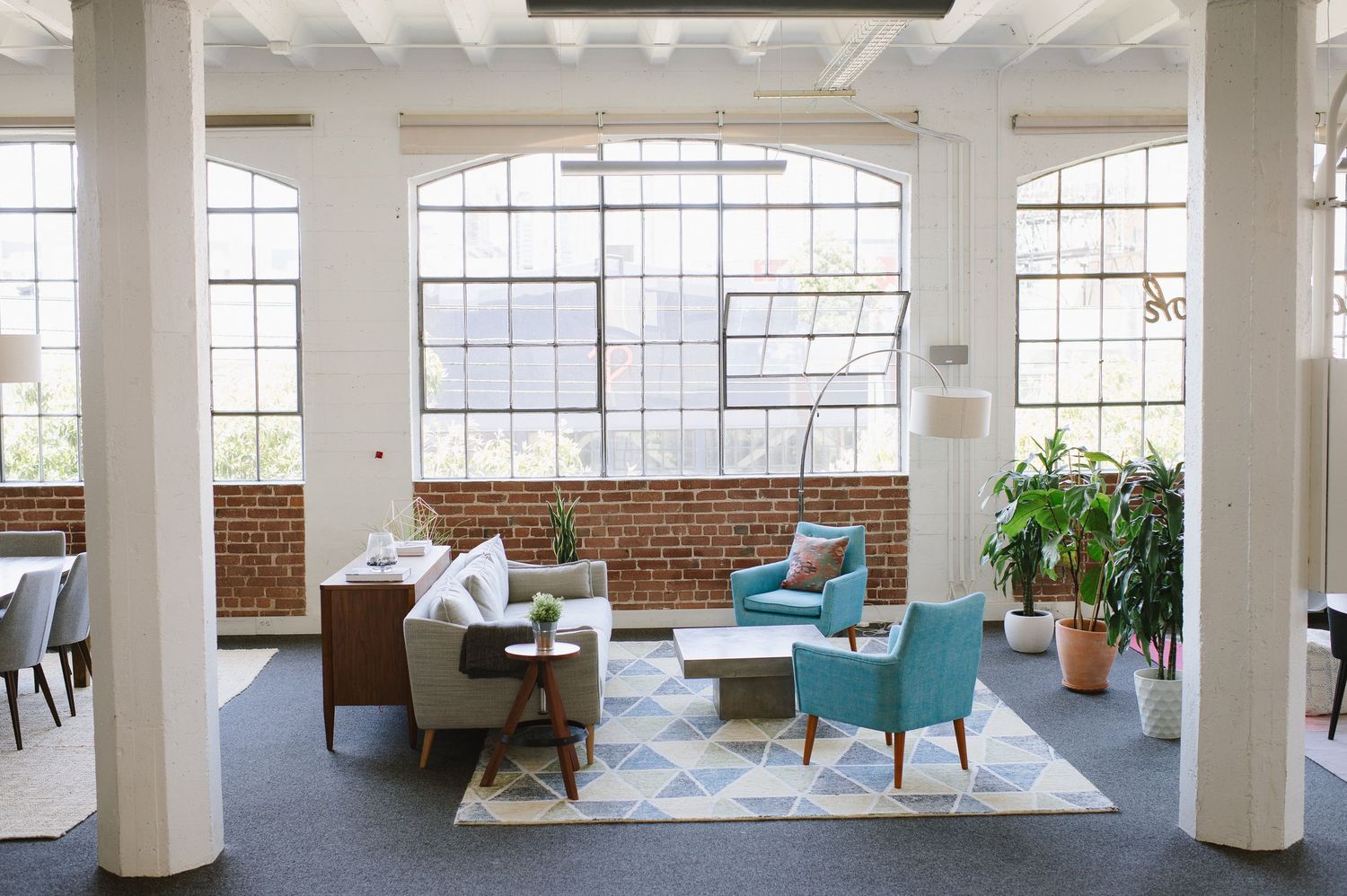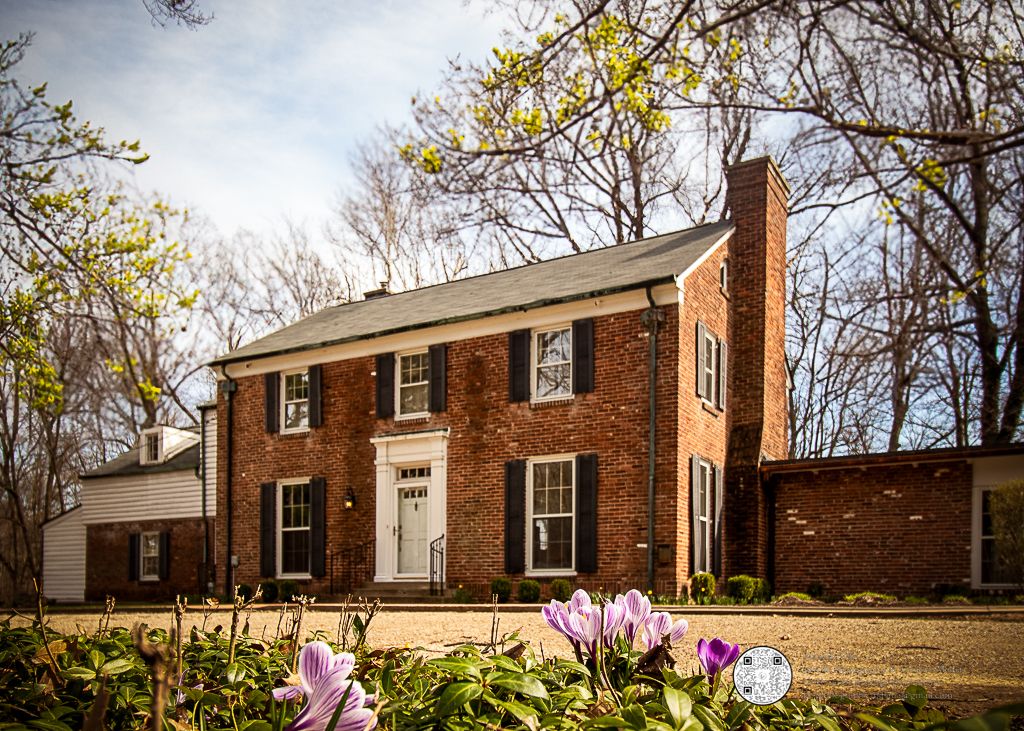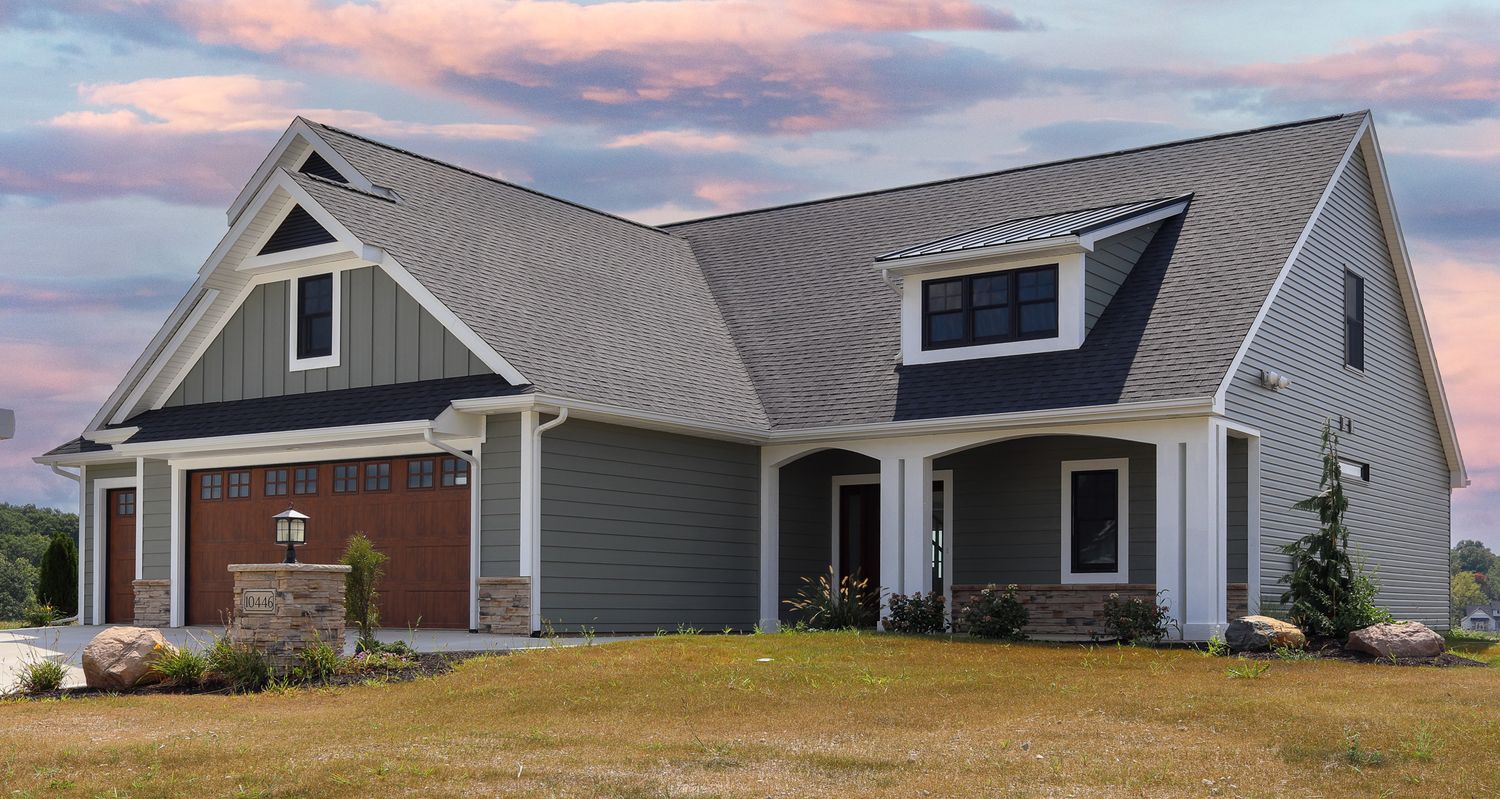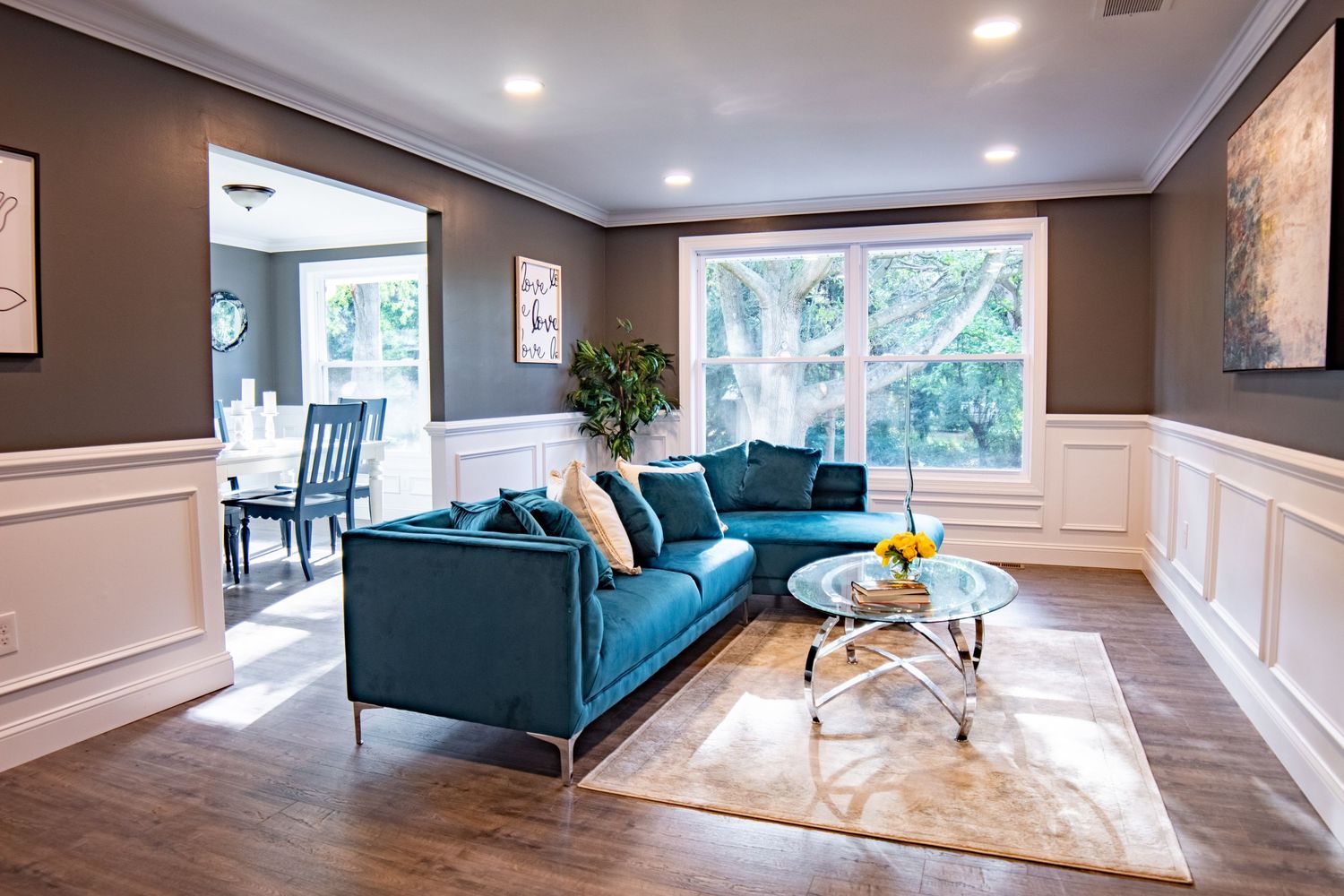
First impressions matter immensely in the world of real estate and rental properties.
Real estate photography and design services play a crucial role in presenting properties in the best possible light to attract potential buyers or renters. Whether you're a real estate agent, property developer, rental property owner or manager, or even a homeowner looking to sell or showcase a property, investing in high-quality photography and design can significantly enhance the property's appeal.
Benefits of Professional Real Estate Photos
Professional photographers use quality equipment to capture sharp, clear, and detailed images of the property's interior and exterior.
Real estate photographers have a greater knowledge of using natural and artificial lighting to create well-lit and inviting spaces.
Wide-angle lenses are often used to capture spaciousness and provide a comprehensive view of rooms.
Post-processing is done to enhance colors, remove imperfections, and ensure the images look visually appealing.
Here are some compelling reasons why you should invest in professional real estate photography:
1. First impressions matter: The first thing potential buyers or renters see is the property's photos. High-quality, professionally taken images can create a positive and lasting first impression, encouraging them to explore the listing further.
2. Increased online visibility: In today's digital world, most property searches begin online. Appealing photos can attract more views and clicks, increasing the chances of finding potential buyers or tenants.
3. Highlight property features: Professional photographers have the expertise to capture the best angles, lighting, and compositions to showcase the property's unique features and assets effectively.
4. Emotional connection: Stunning visuals evoke emotions and help potential buyers or renters envision themselves living in the space. It can create a sense of connection, making them more likely to consider the property seriously.
5. Competitive advantage: In a crowded real estate market, having professional photos sets your listing apart from others. It gives you a competitive edge and makes your property stand out.
6. Increased perceived value: High-quality photos can make a property look more attractive and well-maintained, leading potential buyers or renters to perceive it as having higher value.
7. Time-saving: Professional photographers are skilled in their craft, meaning they can efficiently capture the best shots without wasting time. This saves you valuable time during the selling or renting process.
8. Consistency in branding: If you're a real estate agent or agency, professional photos provide a consistent and polished look for your brand across all listings, improving your overall brand reputation.
9. Print and marketing materials: Professional real estate photos can be used in various marketing materials, such as brochures, flyers, and advertisements, enhancing the overall presentation of the property.
10. Increased sales potential: Statistics have shown that properties listed with professional photos tend to sell faster and at higher prices compared to those with low-quality images.
11. Professional editing and retouching: In addition to capturing the best shots, professional photographers can also enhance the images through post-processing, ensuring the property looks its absolute best.
12. Better online engagement: With the rise of social media, visually appealing photos are more likely to be shared and engaged with, leading to increased exposure and potential leads.
Investing in professional real estate photos is a smart decision that can significantly improve your chances of selling or renting a property quickly and at a desirable price. The cost of professional photography is often outweighed by the benefits it brings to the marketing and overall success of the real estate transaction.
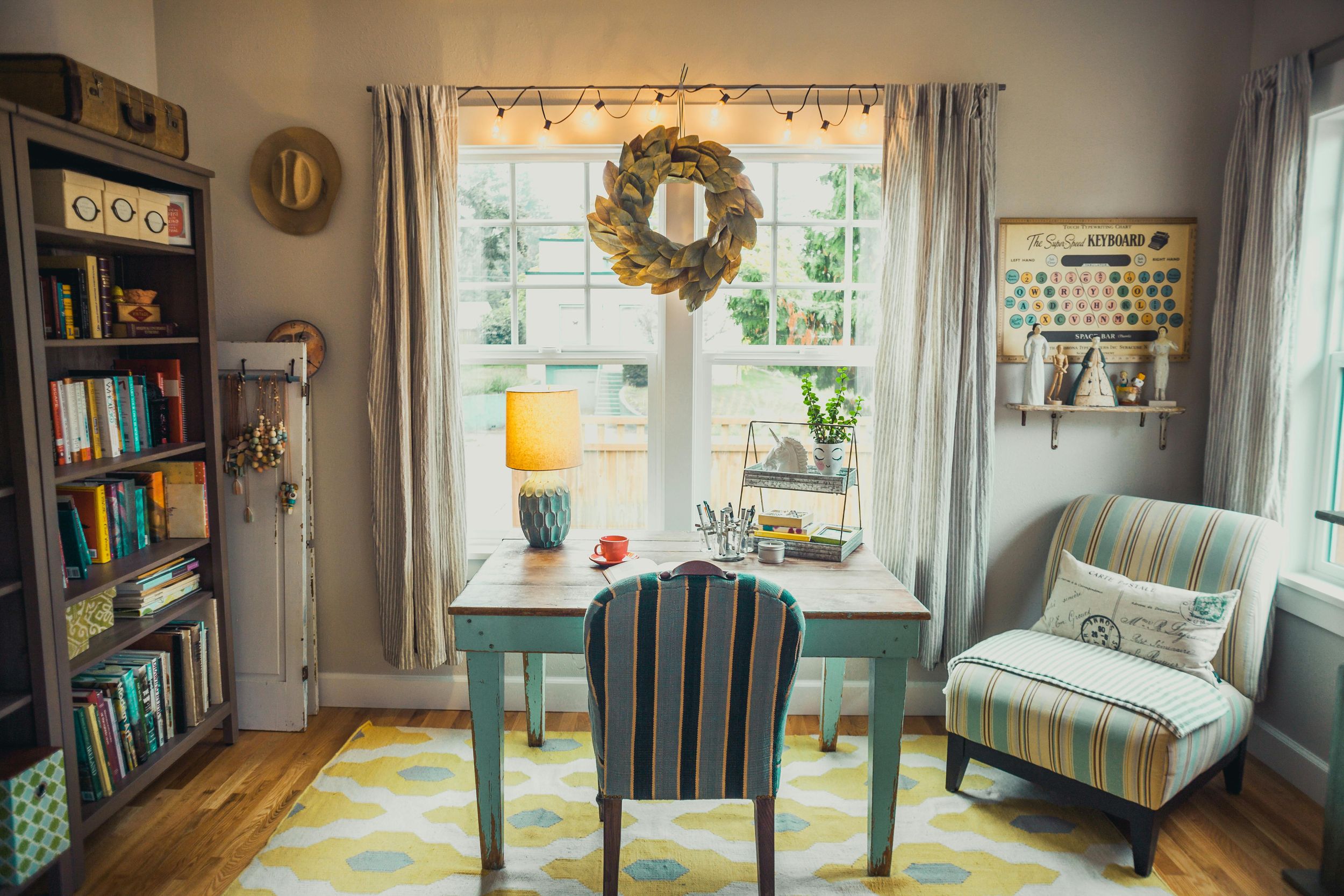
10 Tips for Better Real Estate Photos
1. Use the Right Gear
A DSLR or mirrorless camera paired with a wide‑angle lens will give you the best results. This setup provides:
- Higher image quality
- Better control over exposure and focus
- The ability to capture more of the room in a single frame
While smartphones have come a long way, professional gear still offers the clarity and dynamic range needed for real estate work.
2. Plan the Shoot
Before you start shooting, take time to walk the property. Identify:
- Key selling points
- Unique features
- The best angles
- Rooms that need extra attention
Planning ahead ensures you don’t miss important details and helps you create a shot list that tells a complete visual story.
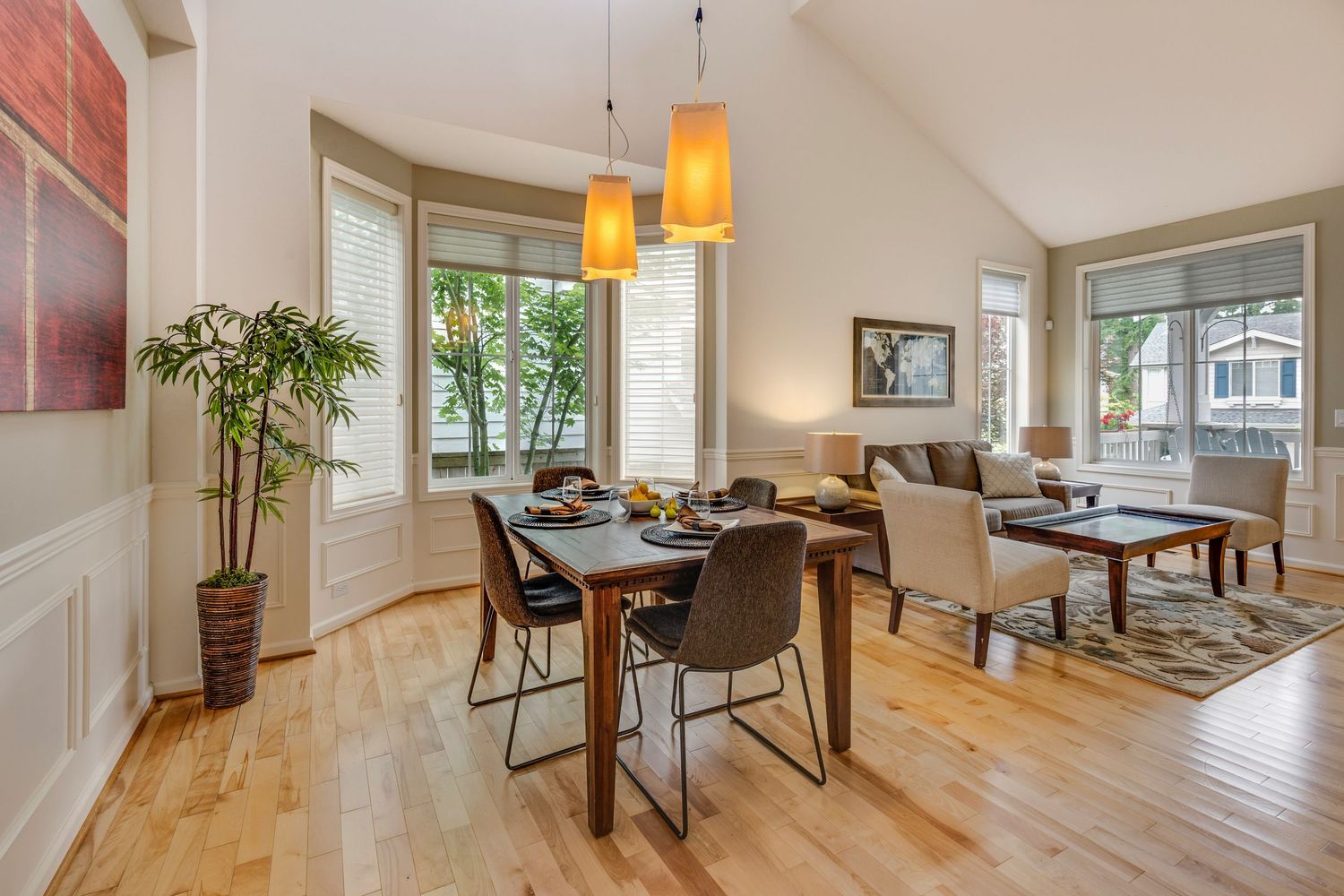
3. Prepare the Space
A clean, decluttered property photographs dramatically better. Before shooting:
- Move rugs, trash cans, pet supplies, and vehicles
- Hide cords, remotes, and personal items
- Straighten bedding, pillows, and furniture
- Clear countertops and surfaces
If you’re photographing an occupied home or rental, provide a pre‑shoot preparation checklist so clients know exactly how to get the space photo‑ready.
(You can find my Real Estate Photography Pre‑Shoot Prep Client Checklist here.)
4. Use a Tripod
A tripod is essential for sharp, consistent images. It helps you:
- Avoid camera shake
- Maintain straight lines
- Keep compositions consistent
- Shoot at slower shutter speeds in low light
It also gives you the freedom to fine‑tune your framing without rushing.
5. Keep Vertical Lines Straight
One of the biggest giveaways of amateur real estate photography is crooked or converging verticals. To avoid this:
- Keep your camera level
- Avoid tilting up or down
- Correct distortion in post‑processing
Straight lines create a polished, professional look that buyers and guests subconsciously trust.
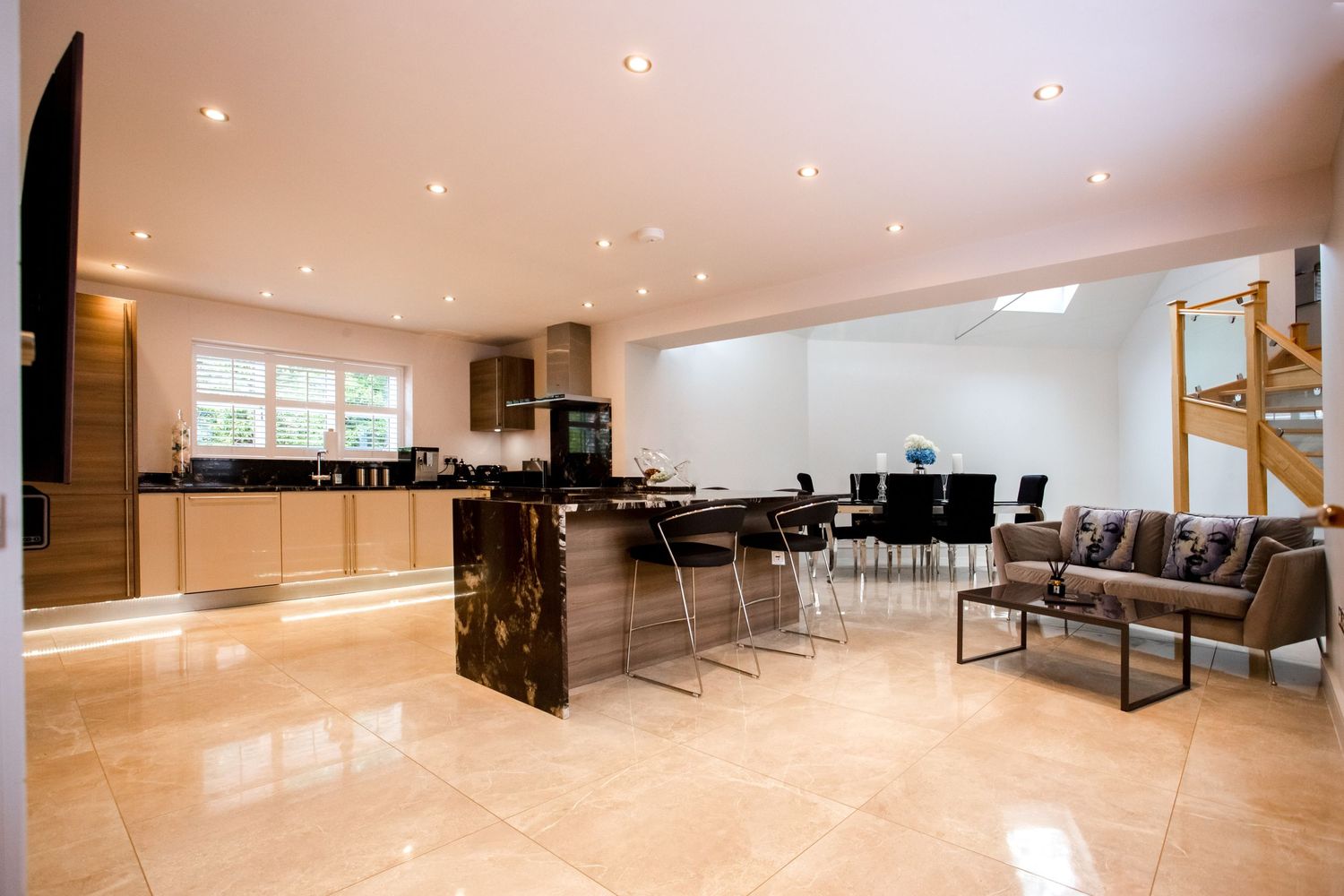
6. Use a Wide‑Angle Lens (But Don’t Overdo It)
A wide‑angle lens helps make rooms feel more spacious and allows you to capture more of the layout. However:
- Avoid extreme distortion
- Don’t stretch rooms unrealistically
- Correct warping in post if needed
The goal is to showcase the space accurately — not mislead viewers.
7. Find the Best Angle & Frame Your Shots
Walk each room and look for the angle that shows the most space and flow. Consider:
- Leading lines
- Symmetry
- Balanced composition
- Using doorways or windows as natural frames
Thoughtful framing helps guide the viewer’s eye and highlights the room’s best features.
8. Highlight Unique Features
Every property has something special — your job is to capture it. Focus on:
- Architectural details
- Scenic views
- Fireplaces
- Built‑ins
- Luxury amenities
- Outdoor living spaces
These details help listings stand out and give buyers or guests something memorable to connect with.
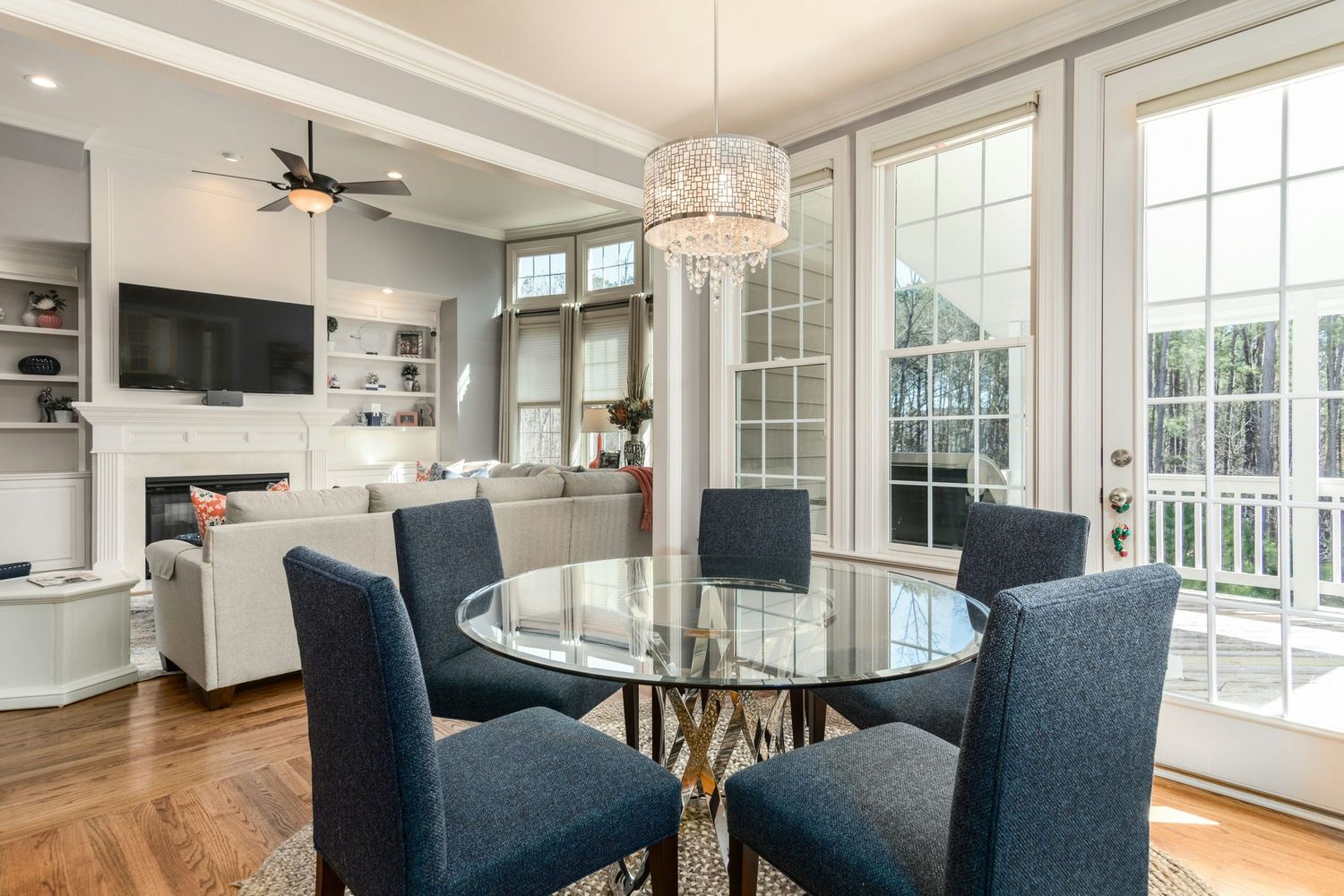
9. Capture Exterior Shots
Don’t forget the outside. Exterior photos help viewers understand:
- Curb appeal
- Landscaping
- Outdoor features
- Lot size
- Proximity to nature or amenities
As a general rule, landscape orientation works best for real estate, but portrait shots are acceptable for tight spaces like bathrooms, closets, or pantries.
10. Edit Thoughtfully
Post‑processing is where your images come to life. Adjust:
- White balance
- Exposure
- Contrast
- Color
- Lens distortion
Bracketing or HDR techniques can help balance bright windows with darker interiors. If you’re not comfortable with HDR blending, many real estate photographers outsource editing — but learning the basics will elevate your work.
Just remember: don’t over‑edit. The goal is to enhance the property, not misrepresent it.
Real estate photography is more than documenting a space — it’s creating a visual experience that helps buyers and guests imagine themselves there. Here are the key takeaways:
- First impressions matter. High‑quality images attract more clicks and more interest.
- Photography highlights what makes a property special. Strong visuals showcase features buyers might otherwise miss.
- Better photos = more engagement. Listings with professional images consistently outperform those without.
- Real estate photography is both technical and artistic. When you combine proper gear, thoughtful composition, and clean editing, you elevate the entire listing.
Whether you’re a homeowner, agent, or rental host, investing in strong real estate photography is one of the most effective ways to increase visibility, interest, and ultimately — results.
Spaces are so much easier to photograph when they have been prepped!
Do your photographer a favor and get ready for your next Real Estate Photo Session with my Real Estate Photography Prep Checklist.